The Mini Amsterdam of Cebu, Sirao Flower Garden – Michelle Puerto

16.jpg

Amsterdam in Netherlands is one of the places most popular for their beautiful flower gardens. Fascinating rows of colorful flowers line up in large and spacious fields. Variety of flowers like hyacinths, daffodils, and the most famous tulips give an astonishing picture that is very attractive to tourists especially to those who love nature.


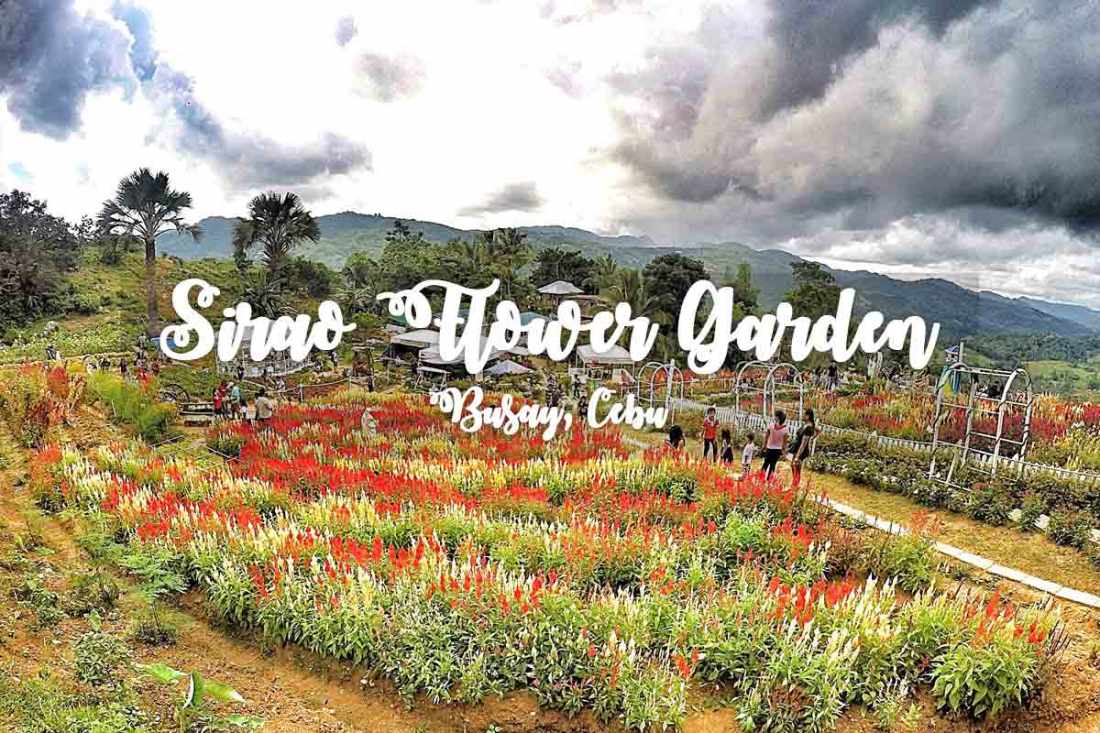
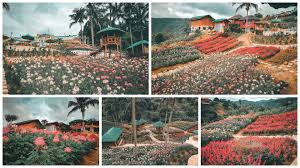
In Cebu, Philippines, a so-called “Mini Amsterdam” is attracting tourists from all over the country and even foreigners. It is the famous “Sirao Flower Farm” located in a mountain barangay just few minutes from JY, Lahug, Cebu City.


It all started when a couple planted flowering plants to be harvested and sold on All Soul’s Day. They then noticed that their garden is attracting visitors so they decided not to cut them at all. The incursion of tourists encouraged them to plant more. The more plants and flowers in the garden meant more visitors too. Since tulips and hyacinths are hard to grow in a hot climate, celosia flowers are grown in Sirao Flower Farm instead. These flowers are as colorful and attractive as the tulips.


Celosia is the main flower grown in Sirao Flower Farm. This flower is considered to be a genus of edible and ornamental plants of the Amaranth family, Amaranthaceae. Its name was derived from the Ancient Greek word “kḗleos” which means “burning” and it refers to its flame-like flower heads.


Aside from Celosias, other variety of flowers are grown in the farm. Flowers like sunflower, chrysanthemum, daisy and aster are among the flowers that are planted there. These flowers provide a perfect edge for picture taking.


Right now, the flower farm has become one of Cebu’s most visited tourist destinations.


How To Get There to Sirao Cebu


Since the opening of the Sirao Flower Farm, tourists in Cebu included the Mini Amsterdam in their bucket list. Here is a guide on how to get there:


  1. From any point in Cebu, ride a cab or jeepney going to JY in Lahug, Cebu City.
  2. In JY, there are lots of motorcycles for hire (habal-habal) that conducts regular trips going to the flower farm. Fare is more or less Php300.00 per person.
  3. A taxi ride is also an option but it is way more expensive than the motorcycles.
  4. When booked in a private city tour (with a car), a little negotiation with the tour company can be made with an additional fee to get to Sirao. – Cebu City Tour
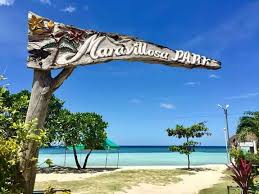


Fresh Cold See Breeze of Tabuelan’s Maravilla Beach Resort – Michelle Puerto

15

Cebu is known for some things: rich culture, great and friendly people, vibrant feasts, overwhelming nearby foods, and wonderful attractions. However, more than all else, one thing that normally first rings a bell when Cebu is mentioned — beaches.

While Cebu has such a large number of prominent beaches, there’s this newfound open white beach that stunned many individuals. This is the Maravilla White Beach in Tabuelan, which offers a break from the city life, yet in addition from the clamor and crowds of the standard escape goals.

It’s essentially an open beach — like the ones in Moalboal (Basdaku) and Badian (Lambug) where you can uninhibitedly appreciate the perfect white beach under the warmth of the sun and even go “beach camping”.


How to get there?

Exact location: Maravilla, Tabuelan, North-Western Cebu — 2-3 hours away from Cebu City.

From the North Bus Terminal, ride any bus going to Tabuelan – fare is ~P100 per person. Drop off at Tabuelan Public Market – where you can buy ahead your food. From the Public Market, ride a motorbike or habal2x going to Maravilla Brgy Hall. Once you’ve arrived at the Barangay Hall, you will see a basketball court behind it. Walk through the eskinita or alley for about 3-5 minutes until you reach to the beach.

If you plan to stay overnight and want to have a more comfortable sleep, there are several affordable beachfront resorts including:

  1. The Tree Sunset Resort
  • BEACH KUBO:

– Overnight: P1,000 per night, good for 4pax

– Day use: P700 per day, good for 6pax

  • TREE HOUSE:

– Overnight: P1,500 per night, good for 6pax

– Day use: P1,200 per day, good for 6pax

  • AIRCONDITIONED ROOM:

– Overnight: P3,500 per night, good for 6pax

– Day use: P3,000 per day, good for 10pax

  • Walk-ins? Yes.
  • Corkage Fee? None as of the moment. But STRICTLY clean as you go.
  1. Durhan White Beach Resort
  • Room Rates: P1,000 /night (4 heads), P1,800 /night (2 heads), P2,000 /night (3 heads), P3,000 /night (6 heads), P1,800 / night (2 heads)
  • Walk-ins? Yes.
  • Corkage Fee? None as of the moment. But STRICTLY clean as you go.
  1. Maravilla Beach Club
  • Room Rates: P2,000 good for 2pax (max of 3). All rooms are the same.
  • Walk-ins? Yes.
  • Corkage Fee? None as of the moment. But STRICTLY clean as you go.


A Heaven-like View of MSDEA Ornamental Garden – Michelle Puerto

14

It’s no debate Cebu is a pretty amazing place, botanically speaking. And we don’t need to travel too far for more than 3 hours to witness an impressive array of gardens and green spaces for locals and visitors to explore. In fact, some of Cebu’s most beautiful flower gardens can be found in Cebu City, at the uphill roads of Cebu Transcentral Highway (Busay-Balamban) that is only 30 minutes to an hour travel from the main road.

Just opened last November 11, 2018, a new flower farm has sprouted in Cebu City. But this time, it’s in Brgy. Sibugay (before Sirao from the city). MSDEA Ornamental Garden boasts a cool environment in a garden of heaven with the view of the mountains of Cebu City, the perfect place to unwind, relax and de-stress with an entrance fee of only 60 pesos per head.

Rates:

Entrance fee: ₱60 per head for both adults & kids (20% Discount for Senior Citizens) no

Cottage fee: No fee if less than 3 hours; ₱500 for 3-4 hours (inclusive of corkage)

Overnight stay: ₱2,000 per night, good for 2-4 persons

– They also sell chips and drinks inside.

Details:

Operating hours: 7AM to 9PM daily


How to get there?

Exact location: Pung-ol, Brgy. Sibugay, Cebu City — only 30 minutes away from the main road (JY Square Mall). This is located before Sirao & Ayala Heights, from the city going to Balamban. Only few meters away from Sibugay Barangay Hall.

BY MOTORBIKE: From J.Y. Square Mall, take a habal-habal that will take you directly to MSDEA Ornamental Farm for ₱400 roundtrip, good for 2 persons already. The driver may ask you for additional waiting fee of ₱100-200 per hour depending on your haggling talent. The ride will take 30-45 minutes to get there.


BY VAN: From the Ayala Cebu PUV Terminal, you can ride a v-hire going to Sirao for ₱50 /head (one-way). Ask the driver to drop you off near Sibugay Barangay Hall. From there, ride a habal-habal going to the flower garden but it may take time to find one from this point, fare is ~₱20-30 /head.

BY OWN CAR: Navigate with Waze or Google Maps and pin your location to “MSDEA Ornamental Farm”. Parking fee is available.


Discover the Pinamungajan’s Campalabo Islet – Michelle Puerto

13.jpg

The publicity of Cebu’s shoreline culture has been soaring. South-bound, you will be captivated by a little yet alluring town of Pinamungajan. It is accepted to be an untainted heaven by nature lovers.

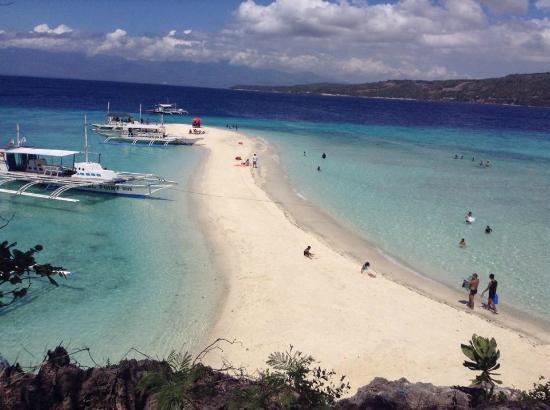
Pinamungajan is gifted with nature’s mysterious touch. It is home to mangrove woodlands, caverns, cascades and its now renowned regular miracle, its sandbar. Directly in Barangay Tajao is the islet called Campalabo Sandbar, which has a zone of one hectare of pearlescent sand that rises amid low tide directly amidst a marine asylum. Local people make them intrigue legends about how this islet became, yet its name was authored from how local people considered a bell that was stolen and thrown into the waters of the town.

Campalabo Sandbar is an ideal spot to chill around as it enables you to take in the staggering perspective on Mt. Kanlaon and the Tañon Strait that rose to prevalence because of dolphin sightings. The water is cool and the feeling is enthralling. As tides clear path for this islet to ascend from the waters, there shows up the rock formation, called “paril,” that fills in as the resting purpose of the Olango Island migratory birds.

The islet is among the shrouded wealth of Cebu. This marvel demonstrated that the quantity of islands in the nation truly relies upon tidal behavior. The sandbar is exactly a delightful spot, particularly for beach lovers and nature voyagers. To save its magnificence and the marine species living in the sanctuary, the part encompassed by white floaters, it is administered by the town’s coast monitor.

The local government of Pinamungajan endeavored endeavors to set up access streets to the town’s normal spots for less demanding and helpful access with respect to the vacationers. Beside the foot trail that prompts Liki Falls, cavern climbing, and trekking, the shorelines will be among Pinamungajan’s prime vacation destinations.

Campalabo Islet is only not exactly a half-hour boat ride from Barangay Tajao. Visitors can go swimming in the cool waters, invest energy bathing in the sun, walk around the fine white sands, or play some beach amusements. The spot gets submerged amid high tide, with the water probably reaching your knees or waist.

Since there are no stores in the islet, make sure to carry some food and beverages with you. You can end your day at the Borra Beach of Barangay Tajao, which has a  line of in excess of a kilometer, to observe and catch the beauty of the sunset. The beach resort likewise gives accommodations for an overnight  stay for guests.

Pinamungajan town is only a 2-to 3-hour transport ride from the South Bus Terminal. When you achieve the town proper, connect with the municipal hall since they will facilitate your ride to the sandbar. It could take around 20 minutes in an outrigger vessel to reach Barangay Tajao, where the islet is.


Historical Heritage of Fort San Pedro – Mark Vincent Pataytay

12

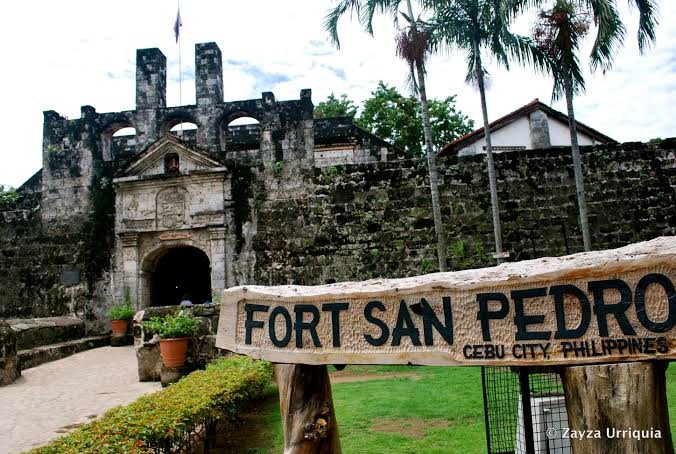
Fuerte de San Pedro is a military defense structure in Cebu, built by the Spanish under the command of Miguel López de Legazpi, first governor of the Captaincy General of the Philippines. It is located in the area now called Plaza Indepedencia, in the pier area of the city.
Fort San Pedro is said to be the oldest and the smallest fort in the Philippines, covering an area of 2,025 square meters. Its walls are 20 feet tall and 8 feet thick, forming a triangle with uneven lengths: two sides face the sea and the other the land, where the current entrance gate to the fort is located. The gate has two rectangular columns that flank a raised Philippine flag, that serves as the apex of the structure. Three tunnel-shaped windows sit on top of a gable which hosts a niche that shelters an image of the Sto. Nino, the city’s patron saint. Below it is another shallower niche marked with a seal, which I was told was the seal of the Spanish king. Below it is the entrance, a barrel vault, whose arch is topped with a spandrel that bears the Spanish name of the place and the year it was built.

Each corner of the triangular fort harbors a bastion — the Ignacio de Loyola in the southeast corner, La Concepcion in the southwest, and San Miguel in the north corner. On each corner stands a turret that serves as a watchtower. There are 14 cannons installed at the site along with a number of trees and ornamental plants that serve as inanimate ushers around the fort.

Today, Fort San Pedro is a fusion of a park which serves as an oasis in the middle of a bustling city and a museum where visitors can learn a great deal about the history of Cebu and the beginnings of the Spanish rule in the Philippines.


Natural cold water of Kawasan Falls – Mark Vincent Pataytay

11

Kawasan Falls is one of the most famous waterfalls in the Philippines, especially in Cebu along with Tumalog Falls.

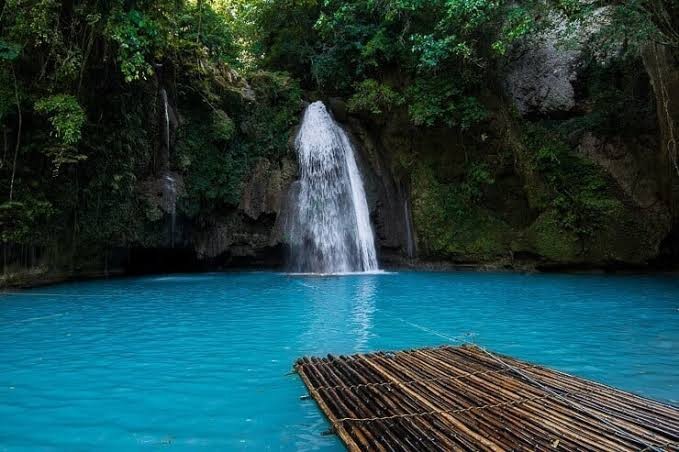
Here awaits turquoise blue water where you can swim around and relax.

For those who are more adventurous, one could also embark on a bamboo raft and go for a ride under the waterfall and at the same time receive a tremendous neck massage by the pouring water.

After paying the admission fee of 40 pesos and following the trail for about 10 minutes, you will arrive at the first waterfall. The first one is the largest and most famous waterfallThis is the waterfall that most people refer to as Kawasan Falls, and it’s very beautiful, and the water is just as turquoise as the pictures, but to be honest, you shouldn’t expect a quiet paradise.

This is the waterfall that most people refer to as Kawasan Falls, and it’s very beautiful, and the water is just as turquoise as the pictures, but to be honest, you shouldn’t expect a quiet paradise.

Kawasan Falls is a popular attraction both among locals and tourists, and it’s rare to get a quiet moment here.

When looking at pictures, it’s easy to fantasize about a serene and calm paradise, but behind the cameras, there are restaurants, table and chairs, and sellers who offer you to go out on the bamboo raft or to eat at their restaurant.

With that said, it’s still an amazing waterfall, and it’s fun to go for a swim, but it is not as peaceful as in the pictures. Expect a beautiful place with lots of people, and you will not be disappointed.

The buses are running from Cebu City to Kawasan Falls, are starting from the South Bus Terminal. You can take all of the buses going to Bato (via Barili).

It is very important that you take the bus to Bato via Barili since the other bus from Cebu to Bato is via Oslob and it stops instead on the east side (Kawasan Falls is located on the west).

If you are not sure which bus or where it departs from, just ask a guard or a bus driver. Everyone is friendly and helpful, so no problem there.

Amazing manmade mountains of Banaue Rice Terraces – Mark Vincent Pataytay

10

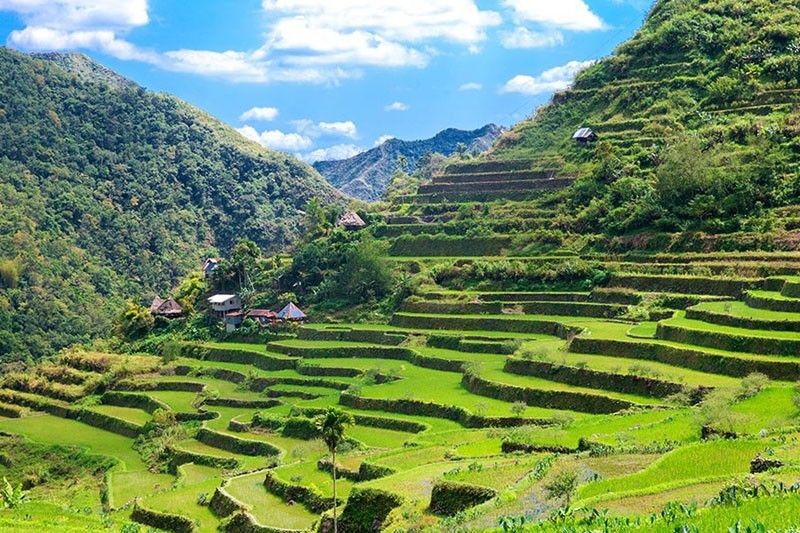
Fondly called as the “Stairways to the Sky,” this marvellous work of the Ifugaos is often considered as the Eighth Wonder of the World. Some 2,000 years ago, indigenous people of the Cordillera mountain range hand-carved the slopes to utilize them for agriculture. People who know of this famous tourist destination can’t help but admire the industry and hard work of the ethnic group behind this amazing accomplishment.

These rice terraces represent the absolute harmony between man and environment. As such, the site is now a UNESCO World Heritage and is given utmost protection to preserve its unparalleled beauty.

Admittedly, visiting the Banaue Rice Terraces is difficult because it is situated in a far-flung area and you have to pass rough terrains and unpaved roads. If you’re coming from Manila, the trip will usually take more than 24 hours. However, I assure you that all your efforts are worth it. And if you’re still hesitating to travel here, you should read these five reasons why you have to see the rice terraces in person and up close.

Even the most high-definition photograph cannot compare to the luxuriant green scenery of the Banaue Rice Terraces. You have to feel the crisp mountain air and tread the fertile land to have most wonderful experience of your lifetime.

You will better appreciate the rich history of the place if you see it up close. In viewing the area, you can imagine how the Ifugaos painstakingly carved these towering mountains into a beneficial work of art. It is a living story of how generations of farmers and laborers worked together as a community to achieve this mesmerizing landscape.

You can learn some valuable lessons by observing some tribes and ethnic groups still living in the vicinity. Their lifestyle hasn’t changed much over the years and it will show you that these people don’t have to rely too much on modern technology to live on and deal with life. The whole world might see the Ifugaos as being left behind in time but for them, the preservation of their rich culture is more important than mindless and whimsical change.

The Banaue Rice Terraces is a perfect example of the balance of nature. The people living in the area take care of their surroundings and the environment provide them their food and necessities in return.

You will see the impact of climate change in this delicate site. Earthquakes and typhoons have already caused major erosions in some parts of the mountains. By seeing the damage first-hand, you can fully reflect on the role humans play in the destruction of the environment. Being more aware of these issues can help you to be more proactive in helping solve them.

The Banaue Rice Terraces is a true beauty to behold. You can travel back into the Philippine’s history and know more about the Filipino culture by visiting this site. Most importantly, you can discover a way of life that is very different from yours, thus giving you something to contemplate on – our relationship with nature is “give and take” and not “take it all, give nothing back.”

Siargao at its Best – Mark Vincent Pataytay

9.jpg

Siargao is an island located off the northeastern coast of Mindanao. It is within the jurisdiction of Surigao Del Norte province, and composed of nine municipalities: Burgos, Dapa, Del Carmen, General Luna, Pilar, San Benito, San Isidro, Santa Monica and Socorro. Around the main island are smaller islands, included as part of the Siargao Group.

Siargao is known today as a surfing mecca, a place where thrill-seekers the world over gather to ride the waves. For the local population, however, Siargao is their simple, non-assuming hometown, with vast swaths of coconut farms, thick mangroves, and secluded coves. If it’s your first time here, it’s hard to ignore the contrast between the adventuring, wide-eyed tourists and the simple, stoic ways of the locals. Case in point: me and Jojo.

The island is a relatively sheltered surfing destination until around the early 2010s, when word of the island’s majestic waves exploded in the surfing world. Today, surfing culture is pretty much a staple in the island. This is particularly true in General Luna, where the island’s best waves can be found.

Siargao Island has a dry and wet season: it’s relatively dry between March and November, while the rest of the months are frequented by monsoon rains.If you’re going to Siargao solely for surfing, then these seasons don’t really matter. The waves are strong year-round. However, September to November are particularly enticing since various activities take place at these times, most prominent being the Siargao Cloud 9 Surfing Cup.

Offshore, a classic tropical island lies protected within its surrounding coral reef with dozens of coconut palms dressed in the center circle of the island. Off to the right, well within the massive coastal reef, lies a shining white sand bar, (Pansukian, or Naked island) some 200 meters long. The tide of Siargao is diurnal with tidal curves typically present, especially on the east coast of the island.

The island’s Pacific-facing reefs are situated on the edge of the Philippine Trench, and the extremely deep offshore waters assure the ocean swells have undiluted power when they encounter the many coral and rock reefs. Siargao has excellent surfing conditions, particularly during the southwest “habagat” monsoon from August to November, when the prevailing wind is offshore.

Soaring High above the Osmeña Peak – Jayneil Pasignajen

8

Osmeña Peak is located in the Municipality of Dalaguete in the province of Cebu. The peak is approximately 1,000 meters above sea level making it the highest peak in the island of Cebu.

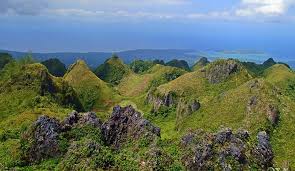
The peak is part of the Mantalungon mountain range, which is unique from other mountain ranges in the Philippines because of its multiple jagged hills grouped together that overlook and stretch as far as the Badian shorelines. The highest of these hills is the Osmeña Peak named in honor of the famous Osmeña clan in Cebu.

The visual appearance of the Mantalungon range is almost similar in form to the Chocolate Hills of Bohol but the peaks of the ranges are thinner, sharper-pointed and rocky. Unlike the Chocolate Hills, the peaks of the Mantalungon ranges cluster quite near each other and give the impression of being formed from rocks that have survived through time.

Once you reach the Osmeña Peak, you get a 360-degree view  of  that includes the southwestern coastline of Cebu, and you even see the province of Negros Oriental. However, the peak area is fenced and under private ownership. A lot keeper collects at least 20 pesos from each climber that enters the area and there is a campsite a few meters down the peak. The campsite has a toilet and a bunkhouse available to the public for a fee.

Osmeña Peak and the Mantalungon range are accessible to hikers and mountaineers all year round but it is best to climb the peak in the first half of the year since the rainy season is from June to October. The peak and mountain ranges become wet and slippery during the rainy season.

Mantalungon is famous as the summer capital of Cebu because it is 700 to 800 meters above sea level giving it a pleasant climate all year round. The high elevation has made the village an ideal place to grow flowers, vegetables and other high-value crops, which gives Mantalungon the reputation of being the vegetable basket of Cebu.

Held every year is the Utanon Festival, a celebration of dance and music as thanksgiving for the good harvest of Mantalungon. Utanon is the Cebuano word for vegetables. Many locals and foreign tourists visit the village during summer because of its cool climate.- Everything Cebu


Barili’s Pride, Mantayupan Falls – Jayneil Pasignajen

7

White sand beaches and lechon may be the first things that come to mind when people talk about Cebu. But, this little island in the middle of the archipelago has more to offer than its beaches and the best pig in the world. Cebu also has its own share of waterfalls. The Kawasan Falls is the most famous among these natural wonders. But, there are also some lesser known yet equally awe-inspiring waterfalls in the island. One of these waterfalls is the Mantayupan Falls of Barili.

The southern town of Barili is around 60 kilometers away from Cebu City. It is home to the Sayaw Beach and Bolocboloc Natural Spring Pool. But, one of the more popular places to visit in the town is the Molave Milk Station where you can drink fresh cow or carabao’s milk. The town was named after the balili grass, which is abundant in the area.

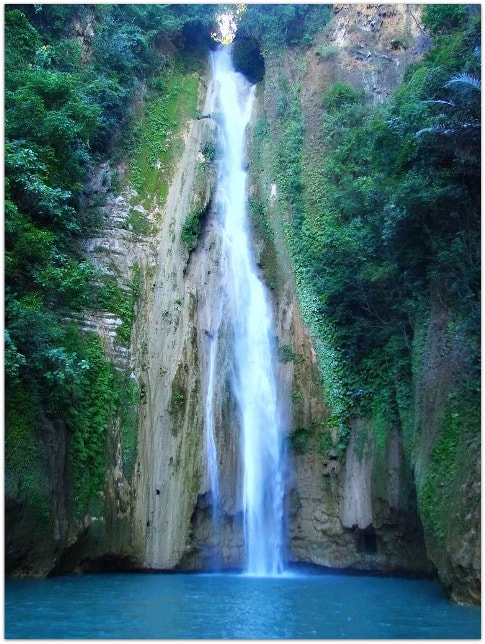
The Mantayupan Falls is one of the tourist attractions of the town of Barili. Even though the area was developed for tourism, it still maintains much of its rugged ambiance. It is one of the tallest waterfalls in the province. The waterfalls has two levels and is the source of water for the rice paddies of some barangays in the town. The first level is the tallest with a height of around 96 meters. On the other hand, the second level is only 14 meters high.

Similar to the Kawasan Falls, there is a bamboo raft that allows visitors to get close to the bottom of the falls. But, it is important to always be careful when you ride the bamboo raft. While you can take a dip in the pool under the falls, it is essential to be cautious since the pool is somewhat deep.

​There are also some facilities at the place to make your stay more comfortable. There are umbrellas with chairs for visitors who want to stay for the day. If you are planning to stay the night, there are also cottages you can rent at the place.  The bamboo raft is also available for rent.